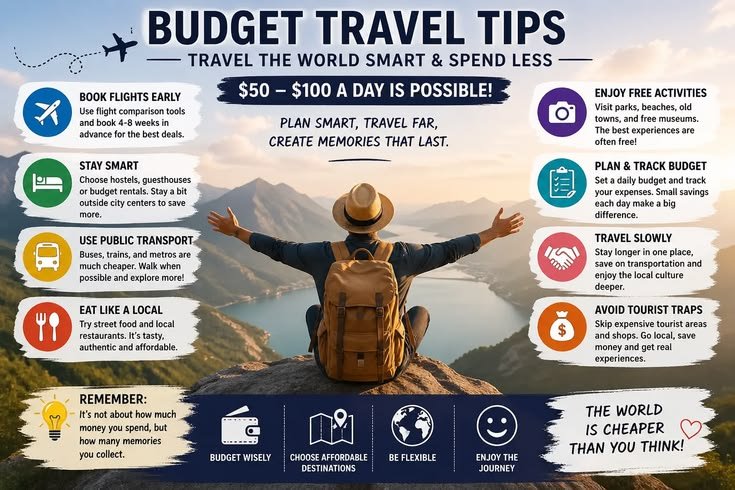


Traveling is one of the best ways to experience new cultures, discover beautiful destinations, meet interesting people, and create memories that can last a lifetime. However, a great trip usually begins long before you reach the airport. Good planning can make the difference between a relaxing vacation and a stressful journey.
Whether you are planning a weekend getaway, a family vacation, a romantic holiday, a solo adventure, or a long international journey, having a clear travel plan can help you save money, manage your time, and enjoy your destination with greater confidence.
1. Choose the Right Destination
The first step in planning a successful trip is deciding where you want to go. Your destination should match your interests, budget, available time, and preferred travel style.
Some travelers enjoy beaches and warm weather, while others prefer mountains, historical cities, cultural attractions, or outdoor adventures. Families may look for destinations with comfortable accommodation and activities for children, while solo travelers may prioritize easy transportation, safety, and flexible itineraries.
Before choosing a destination, consider:
- Your total travel budget
- The number of days available
- Weather and seasonal conditions
- Local transportation
- Accommodation options
- Attractions and activities
- Entry or visa requirements
- Local customs and travel rules
Researching these factors before booking anything can help you avoid unpleasant surprises.
2. Decide When to Travel
The timing of your trip can have a major effect on both your experience and your expenses. Many destinations have peak, shoulder, and off-peak seasons.
Peak season often offers excellent weather but can also mean higher hotel prices, crowded attractions, and more expensive flights. Off-season travel may provide better prices and fewer crowds, although some attractions or activities may have limited availability.
Shoulder season can sometimes provide a useful balance between reasonable prices, comfortable weather, and manageable crowds.
Before selecting your dates, check the destination’s expected weather, public holidays, local festivals, and major events.
3. Create a Realistic Travel Budget
A travel budget should include more than just the price of your flight and hotel.
Consider creating separate categories for:
- Flights or transportation
- Accommodation
- Food and drinks
- Local transportation
- Attractions
- Tours and activities
- Travel insurance
- Shopping
- Emergency expenses
- Internet or communication
- Airport transfers
It is also wise to keep an emergency reserve. Unexpected costs can happen during any trip, from transportation changes to replacing lost belongings.
A realistic budget allows you to enjoy your vacation without constantly worrying about money.
4. Research Your Accommodation
Where you stay can strongly influence your overall travel experience.
Hotels are often convenient for travelers who want services such as reception desks, housekeeping, and on-site facilities. Apartments can be useful for families or longer stays, especially when kitchen facilities are available. Hostels may appeal to budget travelers and people who enjoy meeting other travelers.
When comparing accommodation, look beyond the headline price. Check the location, transportation access, reviews, cancellation policy, included services, and additional fees.
A cheaper room far away from the main attractions may ultimately cost more when daily transportation expenses are considered.
5. Plan Your Main Attractions
You do not need to schedule every minute of your vacation, but identifying your most important activities beforehand can save valuable time.
Make a list of attractions and experiences you definitely want to enjoy. Then organize them according to location.
For example, if several museums, restaurants, and landmarks are close together, visiting them on the same day can reduce unnecessary travel.
A useful itinerary can include:
Morning: Major attraction or sightseeing
Afternoon: Local food and nearby activities
Evening: Relaxation, shopping, entertainment, or a scenic location
Leave some free time between activities. A trip that is packed from morning until midnight can quickly become exhausting.
6. Learn About Local Transportation
Transportation is an important part of travel planning.
Before arriving, learn how people normally move around your destination. Depending on the location, you may have access to trains, buses, metro systems, taxis, rideshare services, rental cars, bicycles, or walking routes.
Understanding transportation beforehand can help you:
- Estimate daily travel costs
- Reach your accommodation more easily
- Avoid unnecessary taxi expenses
- Save time
- Choose convenient neighborhoods
- Plan day trips more effectively
If you are traveling internationally, also learn whether local transportation accepts cash, cards, travel passes, or mobile payments.
7. Research Local Food
Food is often one of the most memorable parts of traveling.
Instead of visiting only restaurants that are popular with tourists, consider learning about traditional local dishes and neighborhood food markets.
Before traveling, make a short list of foods you would like to try. You can also research restaurants near the places you plan to visit.
However, avoid making your entire itinerary revolve around restaurant reservations. Leaving room for spontaneous discoveries can sometimes lead to the best meals of the trip.
If you have allergies or dietary restrictions, learn the relevant local food terms before traveling so you can communicate your needs clearly.
8. Prepare Important Travel Documents
For international travel, documentation should be one of your highest priorities.
Depending on your destination and nationality, you may need:
- A valid passport
- Visa or electronic travel authorization
- Flight information
- Hotel confirmation
- Travel insurance documents
- Driving license or international permit
- Copies of important documents
Keep digital copies of essential documents in a secure location. It can also be useful to keep physical copies separately from the originals.
Always check current official requirements before departure because entry rules can change.
9. Pack Smart
One of the most common travel mistakes is overpacking.
Instead of packing everything you own, create a practical packing list based on the destination, weather, activities, and trip length.
Essential items may include:
- Comfortable clothing
- Walking shoes
- Toiletries
- Chargers
- Power adapters
- Important documents
- Necessary medications
- Reusable water bottle
- Small day bag
- Weather-appropriate clothing
Choose versatile clothing that can be combined in different ways. This can reduce luggage weight and make traveling between destinations easier.
10. Keep Your Itinerary Flexible
Planning is important, but flexibility is equally valuable.
Flights can be delayed, weather can change, attractions can become crowded, and you may discover something interesting that was not included in your original plan.
Instead of creating an extremely strict schedule, identify your priorities and leave some free time.
A flexible itinerary allows you to enjoy unexpected experiences without feeling like you are falling behind schedule.
11. Think About Travel Safety
Every traveler should take basic safety precautions.
Before visiting a destination, research common local risks and understand the areas you plan to visit.
Useful habits include keeping valuable belongings secure, avoiding displaying large amounts of cash, being careful with unfamiliar websites or payment requests, and maintaining copies of important documents.
If traveling internationally, check official government travel advice and destination-specific requirements before departure.
Travel safety is not about being afraid of a destination. It is about being prepared.
12. Stay Connected
Having reliable communication can make travel much easier.
Depending on your destination, you may use international roaming, a local SIM card, or an eSIM. Download useful maps and important travel information before leaving areas with reliable internet access.
It is also useful to save:
- Hotel address
- Emergency contacts
- Transportation information
- Booking confirmations
- Embassy or consulate information where relevant
- Important phone numbers
Offline access can be especially helpful when traveling through areas with limited connectivity.
13. Respect Local Culture
Responsible travel means respecting the communities you visit.
Before traveling, learn a few basic customs of your destination. Dress appropriately where required, follow local rules, respect religious sites, and ask permission before photographing people when appropriate.
Learning a few simple words or phrases in the local language can also make interactions more pleasant.
Remember that you are visiting someone else’s community. Being respectful can improve both your experience and the experience of local residents.
14. Avoid Trying to See Everything
One of the biggest travel-planning mistakes is attempting to visit too many places during a short trip.
For example, visiting five cities in six days may sound exciting, but constant packing, transportation, and check-ins can leave very little time to actually enjoy each destination.
Instead, consider spending more time in fewer places.
Slow travel can allow you to discover local neighborhoods, try regional food, interact with residents, and experience the destination beyond the most famous tourist attractions.
15. Create a Simple Daily Plan
A simple daily plan can keep your trip organized without making it feel restrictive.
For each day, write down:
- One major attraction
- One food experience
- One optional activity
- Transportation plan
- Approximate spending limit
- Free time
This approach gives your day structure while still leaving room for spontaneous experiences.
16. Keep Emergency Money
Even if your trip is carefully planned, unexpected situations can occur.
Keep some emergency funds separate from your everyday spending money. You may also want more than one payment method.
For example, carrying a backup card separately from your main wallet can be helpful if your primary card is lost.
Do not keep all your money and important documents in one place.
17. Take Time to Enjoy the Journey
Travel is not only about checking destinations off a list.
Sometimes the most memorable moments happen while walking through a quiet street, watching a sunset, having coffee at a local café, talking with another traveler, or discovering a small restaurant away from the main tourist areas.
Do not be afraid to slow down.
Take photographs, but also put the camera away sometimes and experience the destination directly.
Conclusion
A successful trip begins with thoughtful planning. Choosing the right destination, setting a realistic budget, researching accommodation, preparing documents, understanding transportation, and creating a flexible itinerary can make your journey much smoother.
At the same time, the best travel plans leave room for discovery. You do not need to control every minute of your vacation. Plan the important details, prepare for unexpected situations, and then give yourself the freedom to enjoy the experience.
Whether you are traveling alone, with friends, as a couple, or with your family, good preparation can help you travel with greater confidence and make the most of every destination.
For travelers looking for inspiration, destination ideas, travel guides, and practical planning information, a travel-focused platform such as GoTravelly can serve as a useful starting point for discovering new places and planning future adventures.